Introduction – Why the very first steps at the piano decide everything
It is like diving into a new world of sounds, fantasies, and emotions to start playing the piano.Real-time feedback, guided lessons fit naturally here as part of thoughtful app onboarding, user engagement, and confidence building for beginner piano students. Much depends on those very first touches of the keys: how great motivation will be, how comfortably a person will feel in the role of a musician, whether the desire to continue learning will exist. The first steps are the foundation on which the further musical path will be laid. This also makes an app for learning piano a practical companion in a long musical journey.
The task is to take away the fear of unknown notes and complex chords and help the beginner confidently and with joy open the door to the world of music. It is precisely at the start that a habit of regular practice is formed, the basic understanding of the instrument is fixed, and inner inspiration to create arises.
So important, why is this? Because:
The beginner gets first tangible successes that stimulate further development.
- An instrument has an emotional touch to it; hence, a desire to play and create with.
- It defines the style and learning path that may become one’s long-term passion.
Without a proper start, the interest can be lost quite fast; one can feel fatigued or disappointed. The main thing is to create such an atmosphere that the first steps bring joy and confidence. These session milestones support motivation boost, skill tracking, and the broader feedback loop that leads toward music mastery.
Beginners’ problems – Stereotypes and fear of the keys
Unfortunately, for most of those who start learning to play, this path is strewn with persistent fears and myths. What are they like?
- “Too old I am to learn to play”
- “Musical ear I don’t have”
- “The piano seems too complicated, many keys, easy to get confused”.
- “Not enough time for regular practice”
- No talent I have, either be a genius or not start at all
A heavy burden these thoughts lay on beginners’ shoulders, often the very reason they never sit down at the instrument. Subconsciously, a person is afraid to make mistakes, do something wrong, be misunderstood. The fear of complexity and unpredictability of the process—the most powerful barrier it is. But, in fact, the piano is not closed territory only for the selected few. Everybody can learn to play if the training will be built rightly, smoothly, considering all the individual characteristics. The fear is broken into parts: if small achievable goals are focused on, rather than immediately impossible ideals. That is why the creation of an effective, kind, and adaptive approach to beginners was a main priority. Important for this is:
- To handle wrongly conceived ideas about music and talent,
- Reorienting attention from the result to the process;
- To create a supportive learning environment, free from pressure and stress.
These steps will help to rebuild the attitude towards the piano and take away the biggest obstacles right at the beginning of the journey. Thoughtful guided lessons and real-time feedback further reduce anxiety through instantaneous correction.
Talented methodology – How it changes the approach to learning music
Some people think that learning to play the piano requires exclusively rote memorization of notes and hours of exercises in front of the instrument, and it is long and complicated. Talented offers another perspective on learning, one in which, at the very center of attention, is not technique but rather a lively and creative approach based on understanding the needs of each student.
So effective, why is the Talented methodology? Among traditional methods, several key principles distinguish it:
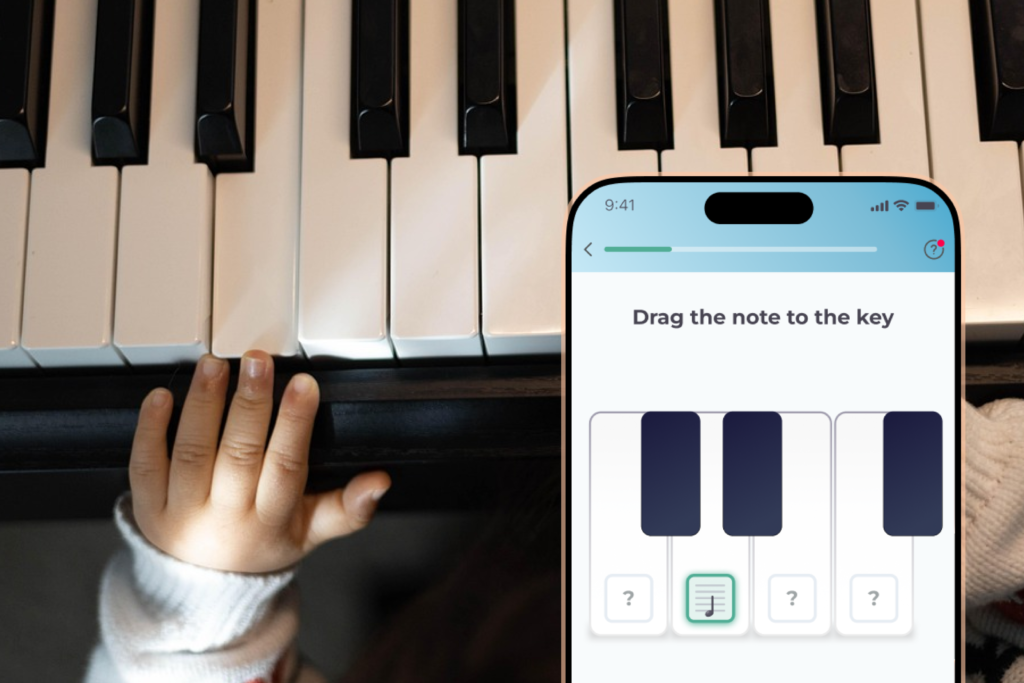
- Immersion in music from the very first lessons. Simple melodies are played by students already in the first class—this helps to avoid “fear of the blank page” and forms confidence in their own abilities.
- Adaptability to each individual’s level and pace. Instead of having one general template, have a flexible one that changes according to the success and choices of a student.
- Integration of theory and practice. Theoretical knowledge is given in small portions and at once supported with practice, which avoids tediousness and overloading.
- Engagement of all senses. The learning process involves not only hearing and sight but also tactile sensations that help remember the material better.
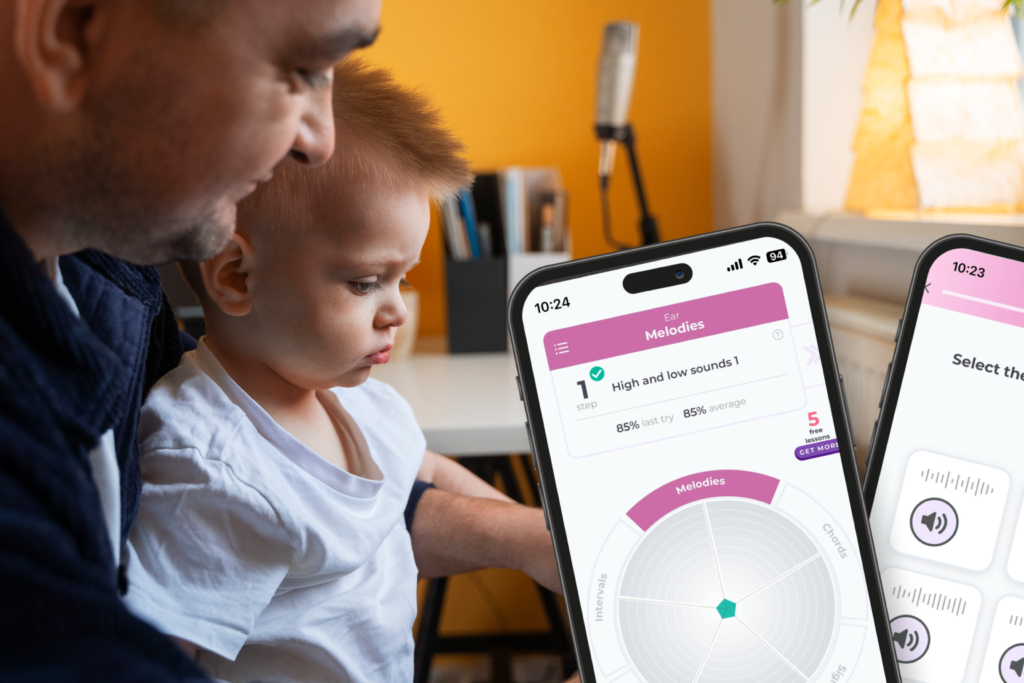
This approach will ensure that learning becomes not only more accessible but also removes inner barriers: fear of mistakes transforms into motivation to experiment and be creative. Here the Talented app strengthens the feedback loop through interactive tutorials and daily challenges that fit a practical practice plan.
Personalized learning – Individual plans for the first month
Among the key features of Talented are that, through personalization, every beginner gets the feeling that lessons are prepared for them personally. What does this process begin with?
- Initial level and interests diagnostics. Before starting, musical preferences, goals, and experience—even if minimal or absent—are discussed by the teacher.
- Creating a unique study plan. Based on the diagnostics, a schedule of lessons is developed and the topics are distributed, with exercises adapted to the student’s personal rhythm.
- Flexibility and adjustments. The plans are regularly reviewed for any successes and difficulties and constantly optimized.
Such a systemic approach allows students in the first 30 days not just to learn basic technical skills but feel the joy of playing, understand their strengths, and identify further directions of development. Each newcomer gets more than just lessons in the end, they enter a unique musical environment where learning is built around them, and progress becomes obvious and inspiring. This is where skill tracking, growth-focused practice plan design, and stage-appropriate learning magic come together.
Magic of the first 30 days with Talented for beginners starting to learn piano
Not only in mastering basic notes or simple melodies is it expressed. The uniqueness of this combination is in finding new sensations, forming musical thinking, and developing motor skills this period, through which students literally experience a small miracle.
What a novice can grasp within the first month
- Basics of instrument mastery
- With keys, their layout, and sound acquaintance;
- A correct posture and hand position, which significantly reduce fatigue and risks of injury.
- Basic music literacy understanding: reading the simplest notes and rhythmic patterns.
- With keys, their layout, and sound acquaintance;
- First melodies and chords
- Playing simple developmental exercises training.
- Familiarity with the basics of chord harmony.
- Productive execution of first small pieces—it is just these achievements that shape one’s sense of progress.
- Playing simple developmental exercises training.
- Rhythm and ear development
- Pitch recognition exercises;
- Work with a metronome and forming stable rhythm;
- Auditory analysis development by repetition of a heard melody.
- Pitch recognition exercises;
- Building habitual practice
- A clear, simple system of lessons to show how children and adults can incorporate practice into daily life easily;
- Motivational techniques that allow not only disciplined practice but also enjoyment from every lesson.
- A clear, simple system of lessons to show how children and adults can incorporate practice into daily life easily;
Why do these achievements make the first 30 days “magical”? Because Talented structures lessons in such a way that every lesson is a small victory, reinforced by a feeling of real result. Not facing disappointment or complicated obscure material, the beginner gradually merges into the musical world, an explorer discovering a new planet. Thus, in a month the student already can play some simple composition, feel the connection with the instrument, and what is more important, realize that music is not that scary or difficult as it seemed at first glance. This therefore creates ground for more development, it inspires and ignites the desire to move further. Thus, the first 30 days are not just the beginning of learning but a really magic stage on which the foundation of the whole future musical career is formed. Talented helps not just to learn playing, but to fall in love with music with every new sound. This strengthens piano beginners outcomes through guided lessons and real-time feedback.
Results and inspiration – Success stories of beginner pianists
Not only skills but also true passion for playing are born with Talented within a short 30 days. Those who previously didn’t even think about sitting at the piano share their impressions and achievements beginners:
- Anna, 29: “It seemed difficult and far from the very first lesson. But with the Talented method, after three weeks I was already playing my first melody, and I don’t have any intention to stop!”
- Mikhail, 34 years old: “When I saw how clearly and understandably the lessons were structured, the fear of the keys disappeared. In a month, I learned to read notes and play simple chords. Now every day starts with beloved practice.”
Of importance to note, success happens by chance. The result is:
- Carefully selected materials, matched to the beginner’s level.
- Support and feedback from the teachers in Talented.
- Development of a habit for regular practice in a comfortable rhythm.
Hundreds are inspired by such stories, those who are just about to take the first step into the world of music. Truly priceless it is—to see real examples when “someone who never sat at the piano” turns into a confident performer. These narratives reflect learning magic and a steady practice plan supported by guided lessons and skill tracking for piano beginners.
Conclusion – How Talented helps you love music from the first chord
It’s not just notes; the first chords begin a path that may change your perspective on music and yourself. Talented not only teaches one how to play but also creates a climate where everybody feels more confident and inspired.
The main advantages of Talented
- Personalization: plans adapted to each beginner’s needs and pace.
- Simplicity and accessibility: a learning process not scaring but engaging.
- Support: professional mentors by your side every step of the way.
- Motivation: regular achievements, along with a positive mindset.
The result—in the first 30 days, playing the piano becomes not just a hobby, but part of life, joy, and a means of self-expression. Talented proves that it’s never too late to start, and music is a language that becomes understandable from the very first lessons. Take the first step with the Talented app, and let music sound in your soul today! With real-time feedback and guided lessons, the feedback loop of beginner piano training remains strong, sustaining motivation boost and confidence building across the musical journey.